

Menu



Laser & Energy-Based SkinTreatments
Laser Tattoo Removal in Mukilteo, WA
Laser Tattoo removal treatment using Q-Switched 1064 nm and 532 nm Nd:YAG laser wavelengths for most tattoo pigments
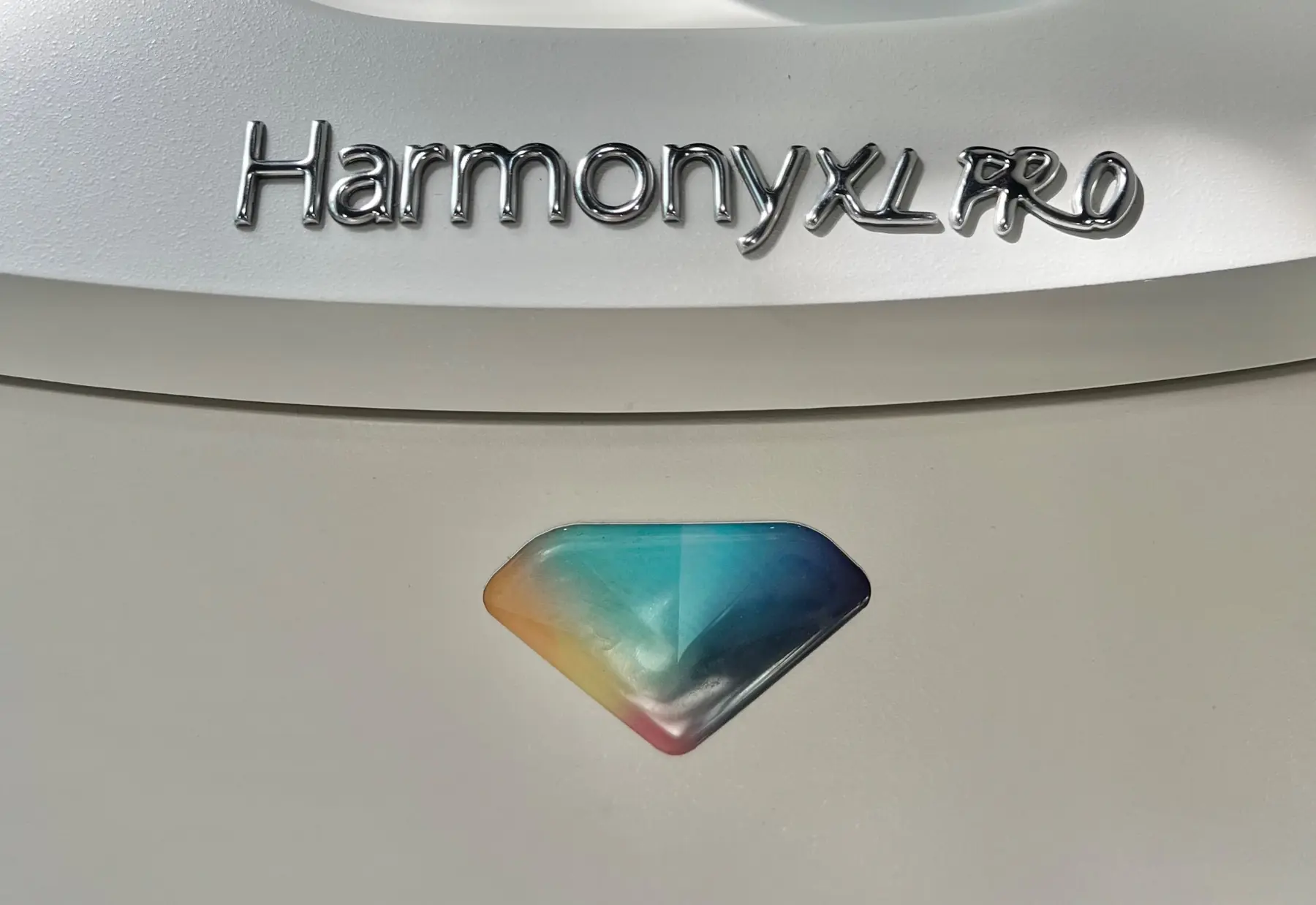
Our laser tattoo removal use the Alma Harmony XL Pro Q-Switched 1064 nm and 532 nm Nd:YAG laser energy to fragment tattoo pigments so the body can gradually clear them. Treatment is individualized by ink color, depth, density, tattoo location, skin type, prior response, and healing history.
The practice does not use a picosecond laser. Multiple sessions are usually needed, and complete clearance cannot be guaranteed.
CANDIDACY & SAFETY
Will Laser Tattoo Removal Work For Me?
Determining candidacy involves assessing the tattoo's color, depth, density, and location, as well as the individual's skin type, healing history, and expectations. Factors such as active infections, recent tanning, sun exposure, photosensitizing medications, history of abnormal scarring, pregnancy, and recent procedures are carefully evaluated before proceeding with treatment.
Temporary redness, swelling, blistering, crusting, and pigment change can occur; less common risks include infection and scarring. Certain inks may respond unpredictably.
A PLAN BUILT AROUND YOUR BIOLOGY
Treatment Plan
Your laser tattoo removal treatment plan considers factors such as color, depth, density, location, layering, skin tone, and previous treatments. The Q-Switched 1064 nm and 532 nm Nd:YAG wavelengths are chosen based on a thorough assessment of the pigment and skin.
A test spot may be recommended. Treatment is planned as a series with enough time for healing and gradual clearance of fragmented pigment.
WHAT TO EXPECT
A process built around your safety and progress
01
Evaluate Tattoo, Pigment, and Skin
Review color, depth, density, location, layering, skin tone, medical history, medications, sun exposure, and prior treatment.
02
Deliver Q-Switched Laser Energy
Apply wavelength-specific nanosecond pulses with settings selected for the pigment and surrounding skin.
03
Reassess Fading and Healing
Allow healing and pigment clearance, compare photographs and skin response, then adjust the next session if appropriate.
TREATMENT GOALS & MONITORING
Your goals, progress, and ongoing care
Progressive Tattoo Fading
The goal is progressive fading while protecting the surrounding skin. Response varies by ink composition, color, depth, density, location, and prior treatment; complete removal cannot be guaranteed.
How Progress Is Tracked
Photographs, pigment color and density, skin response, healing, and the amount of fading between visits are reviewed before the next treatment is planned.
AFTERCARE & RECOVERY
Aftercare
Follow individualized wound-care instructions, use gentle skincare, avoid picking, and protect the area from sun exposure. Contact the clinic for worsening pain, spreading redness, drainage, fever, or unexpected pigment change.
BEGIN WITH A CONVERSATION
Ready to Discuss Laser Tattoo Removal?
Begin with a consultation for laser tattoo removal today.
BOOK NOW →PATIENT REVIEWS
What Patients Say About Their Care
“Elizabeth is thorough and she took the time to really understand what I was looking for with regards to my skincare goals.”
L.H. · GOOGLE REVIEW
“Elizabeth is informative, well trained and offers many skin care services. I like her in home facility as it provides a comfortable, relaxing environment.”
A.V. · GOOGLE REVIEW
“From the calming ambiance of the studio to the personalized care and advice, she never tries to upsell any services, and there is never pressure to book the next appointment.”
K.G. · VAGARO REVIEW
TREATMENT GUIDANCE
Frequently Asked Questions
Clear, practical answers about candidacy, preparation, treatment, recovery, and aftercare.
How does laser tattoo removal work?
Q-Switched 1064 nm and 532 nm Nd:YAG laser energy is selected according to the tattoo pigment and surrounding skin. Short pulses fragment selected pigment into smaller particles that the body can gradually clear. Most tattoos require a series of treatments, and response varies by ink color, depth, density, location, layering, and prior treatment. Complete removal cannot be guaranteed.
Is laser tattoo removal safe?
Laser tattoo removal is not risk-free. Safety depends on evaluating the tattoo, skin type, medical history, medications, recent sun exposure, healing history, and the wavelength and settings used. Expected reactions can include redness, swelling, tenderness, blistering, or crusting. Less common complications include infection, scarring, texture change, and temporary or lasting pigment change.
Are there alternatives to laser tattoo removal?
Other approaches may include surgical excision or dermabrasion, but these are less commonly used and may carry greater risks of scarring or an undesirable cosmetic result. Tattoo-removal creams and do-it-yourself products do not reach pigment in the deeper skin and may cause irritation, burns, or scars. If Q-Switched laser treatment is not appropriate, we will discuss whether referral is indicated.
What are the side effects of laser tattoo removal?
Temporary redness, swelling, warmth, tenderness, pinpoint bleeding, blistering, or crusting can occur after treatment. Lightening or darkening of the skin is also possible. Less common risks include infection, scarring, texture change, or an unexpected reaction in certain tattoo inks. Contact the clinic for worsening pain, spreading redness, drainage, fever, delayed healing, or a concerning pigment change.
When will I see laser tattoo removal results?
Fading is gradual and is assessed after the skin has healed and the body has had time to clear fragmented pigment. Some change may be visible after an early session, while layered, dense, professional, or treatment-resistant inks may respond more slowly. Session spacing is individualized according to healing and skin response rather than a fixed short interval.
Why are multiple laser tattoo removal sessions needed?
Tattoo ink is deposited in layers, and safely treating all pigment in one visit is not realistic. The number of sessions depends on ink color and composition, depth, density, layering, tattoo location, skin type, prior treatment, and healing response. Time between sessions allows the skin to recover and the body to clear fragmented pigment before the next treatment is planned.
How much does laser tattoo removal cost?
Cost depends on the tattoo’s size, colors, depth, density, location, layering, prior treatment, and the number of sessions needed to pursue your goals. Because response varies and complete clearance cannot be promised, an estimate is provided after the tattoo and skin are evaluated and the expected treatment series is discussed.
LOCAL, PERSONALIZED CARE
Accepting New Patients
Hagen Health & Absolute Aesthetics proudly serves patients from Mukilteo, Everett, Lynnwood, and surrounding areas across Snohomish Countyas well as Whidbey Island, offering a wide range of personalized healthcare services tailored to meet individual needs.
Serving Mukilteo, Everett, Lynnwood, Edmonds, Mill Creek, Whidbey Island & Snohomish County
* All information subject to change. Images may contain models. Individual results are not guaranteed and may vary.